The future of the Social Health Authority (SHA) remains uncertain following revelations from the National Assembly indicating that the public medical scheme is no longer sustainable.
The revelations made by Dr James Nyikal, the chair of the National Assembly Departmental Committee on Health, on Thursday, March 19, come barely a week after the Auditor General raised concerns that the medical may have lost Ksh50 billion in its initial rollout in 2024.
According to the Seme MP, SHA is currently collecting about Ksh7.4 billion monthly, largely from salaried Kenyans, and spends a whopping Ksh7.2 billion on expenses.
“The revenue that the Social Health Authority collects for the three funds in that Authority is really not enough to meet its expenses as things are now. They are barely getting what they can run on. So the revenue versus the expenses is a challenge,” Nyikal told the press after an investigative visit in Mombasa yesterday.
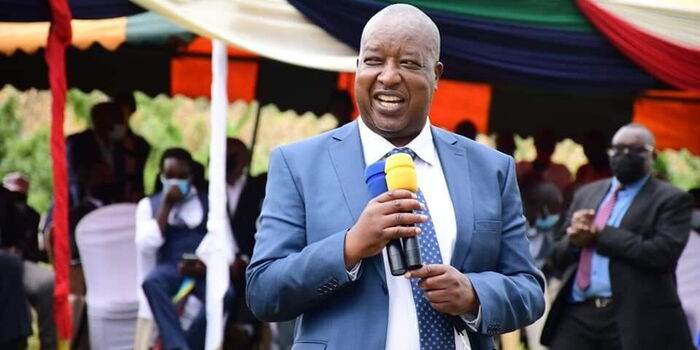
Seme Constituency Member of Parliament James Nyikal
Photo
International Institute for Legislative Affairs
He added, “We are likely to face an issue of sustainability.”
SHA, which officially replaced the National Health Insurance Fund (NHIF) on October 1, 2024, is struggling to meet its obligations to both hospitals and Kenyans, according to Nyikal.
The committee has expressed serious concerns over the operations of the scheme, saying it has been plagued by significant operational challenges and financial constraints, failing to meet its obligations.
“My view about the whole thing, the design and the concept, is good. The problem we are going through is a problem of implementation,” Nyikal said.
Problems plaguing SHA stem from the low-to-no contributions from the informal sector, leaving salaried Kenyans, whose pay is deducted 2.75 per cent, to shoulder much of the burden.
Available data indicate that approximately 4.8 million Kenyans are actively paying premiums, with 3.5 to 4 million being salaried employees in the formal sector, and roughly 890,000 are from the informal sector.
This is despite the fund having registered 29 million people. According to available data, SHA has collected about Ksh142.78 billion and has paid out approximately Ksh105 billion to healthcare providers to date.
However, healthcare providers have accused the scheme of failing to honour payments for some procedures and, in some cases, delaying payments, which has resulted in some hospitals scaling down operations.
To address the challenge, SHA is now exploring partnerships with savings groups, SACCOs and microfinance institutions to enable the informal workers to pay their premiums gradually.
Also, the government is floating the idea to increase the contributions of self-employed members, who pay an average of Ksh560 per month to Ksh880 for sustainability.
President William Ruto, who has backed the fund and pushed for migration from NHIF, has maintained the fund will benefit every Kenyan, but as things stand, it remains unclear whether the government will dig into national coffers to rescue the fund or Kenyans seeking medical attention will have to dig into their pockets.
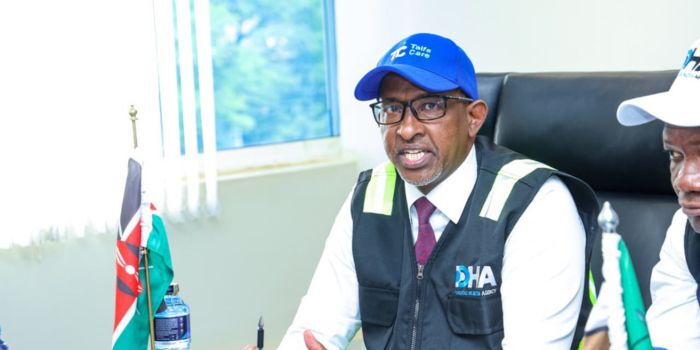
Social Health Authority (SHA) Chief Executive Officer Dr. Nancy Mwangangi.
Photo
SHA