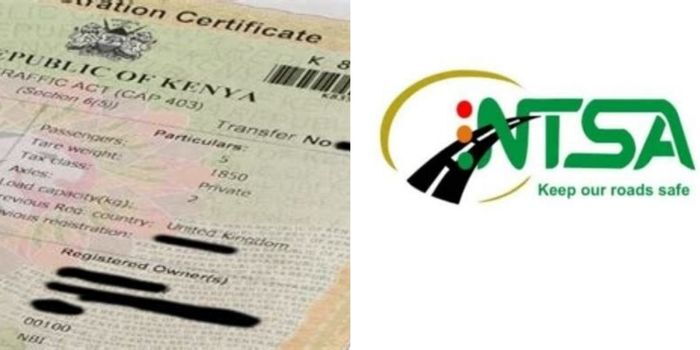
Ever wondered how you, as a driver, can avoid costly fraud and legal trouble due to poor logbook handling? Understanding some tips can help you avoid the dragnet of the National Transport and Safety Authority (NTSA).
At the outset, many drivers only discover mistakes after disputes, yet simple steps such as safe storage, routine portal checks, and verifying identification details can prevent conflicts, especially when ownership records differ between physical documents and official digital platforms. The tips below will come in handy in the event of any uncertainty.
Register Vehicle Under Company
This helps streamline asset management and align with tax planning, a move increasingly adopted by firms seeking a framework for recording transport resources.
NTSA DG Nashon Kondiwa during a stakeholder engagement on February 23, 2026.
Photo
NTSA
Avoid Laminating Logbooks
Documents must remain flexible for verification and transfer. Ownership can change hands, making alterations or official endorsements difficult when protective covers interfere with authentication processes.
Retain Car Ownership in Your Own Name
Moreover, relationship-related purchases have also emerged as a risk area, with car buyers being urged to retain ownership in their own name even when gifting vehicles, since disputes later often revolve around documentation rather than verbal understandings.
Legal timelines, on the other hand, complicate matters, as Section 9 of the Traffic Act requires new owners to update records within fourteen days, meaning delays can expose motorists to penalties despite having completed payment and physically taken possession.
Exercise Simple Precautions
Likewise, simple precautions, such as marking copies sent to insurers, can also reduce fraud, as clearly labelling documents limits misuse in unauthorised transactions that rely on unsuspecting owners sharing clean copies without restrictions or proper safeguards.
Verification of Identification Details
This remains critical, particularly ensuring that the KRA PIN in the logbook matches the registered owner, as mismatches can delay services, trigger investigations, or complicate transfers during resale or financing arrangements and future processes.
Regular Checks on the NTSA portal
This enables motorists to confirm that their digital records accurately reflect their details. The aim is to reduce the risk of surprises when seeking services such as transfers, insurance updates, or compliance checks.
Proper Storage Habits
Car owners are advised to keep original logbooks in secure locations at home, while ensuring trusted family members can access them if necessary, to avoid panic or loss during emergencies or unexpected events.
Caution for Imported Vehicles
On the flipside, imported vehicle buyers face unique risks, as missing original foreign logbooks may indicate stolen or written-off units, prompting calls to inspect documents closely and to translate foreign-language records to confirm that chassis numbers match supporting paperwork.
Always Keep Vehicles Inside Vehicles
This is because theft cases often involve criminals altering documents found in cars, making cloud storage of scanned copies a safer alternative for quick reference when needed.
Cross-Check Payment Before Purchase of Vehicle
Sellers offering vehicles on instalments are advised to retain ownership until full payment is made, structuring agreements accordingly and ensuring insurance policies recognise their financial interest throughout the repayment period for legal protection.
Hire purchase buyers are encouraged to verify logbook authenticity before committing, including requesting stamped copies marked as true copies and following up once registration is completed to avoid disputes over ownership or delayed documentation.
Car owners can avoid any uncertainty by putting the above tips into consideration, hence being on the good books of NTSA.
A collage of a logbook (left) and vehicles plying Thika Road (right)
Photo
NTSA/Tony Karumba